Transform Your Home With Experienced Architectural Design Support
Transforming a home through professional architecture services involves more than just design. It requires a deep knowledge of operational design and local building codes. Engaging with an seasoned design expert can handle frequent problems while increasing property appreciation. The process is systematic and detailed, guaranteeing that every detail conforms with the homeowner's vision. Yet, many homeowners struggle to journey through this undertaking efficiently. What steps can they take to guarantee a successful alliance?
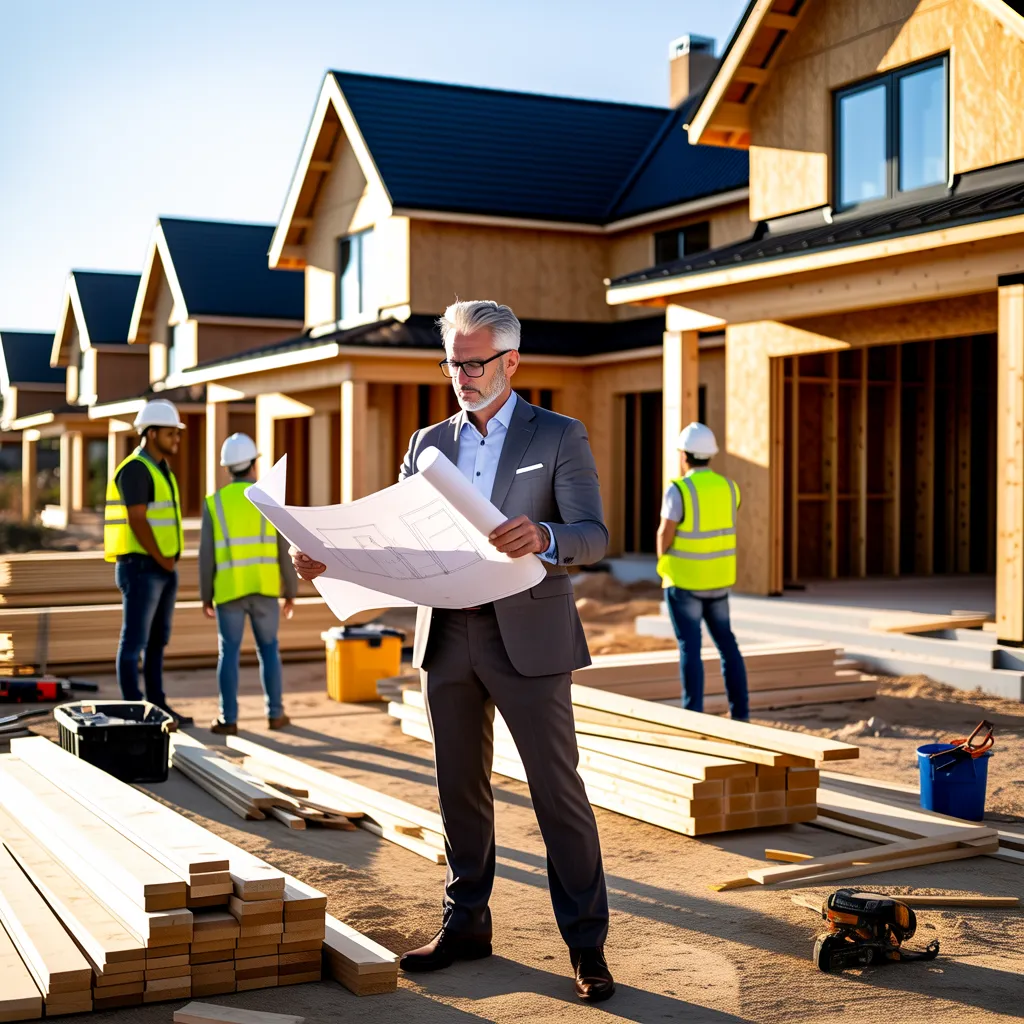
Standard Home Design Snags and Strategies Architects Address Them
Why is home design so demanding for numerous homeowners? The challenge of aligning design preferences with practical needs often exhausts them. Homeowners regularly deal with spatial constraints, budget restrictions, and compliance requirements, making the design process more complex. Additionally, many lack the technical knowledge required to manage structural issues and building codes.
Architects serve as an essential role in alleviating these challenges. Their education prepares them to navigate the complexities of planning, guaranteeing that a homeowner's vision corresponds with realistic realities. Architects can deliver creative solutions to optimize space while adhering to safety standards. They also assist in developing unified designs that reflect the property owner's style. By providing guidance into materials and construction methods, architects help streamline the decision-making process. Ultimately, their expertise transforms a possibly intimidating endeavor into a collaborative journey, promoting a harmonious balance between creativity and feasibility in home design.
Advantages of Collaborating With a Professional Architect
Engaging a professional architect enhances the house planning process by blending technical expertise with the client's aspirations. Architects bring a substantial expertise in design methodologies, regulatory requirements, and sustainability practices, ensuring that the project not only fulfills aesthetic goals but also complies with legal requirements. Their ability to visualize and communicate complex ideas supports converting abstract concepts into concrete plans.
Moreover, architects can offer forward-thinking solutions to spatial challenges, refining usability and arrangement. They also direct the complications of the building process, collaborating with contractors and suppliers to maintain finances and schedules are followed. This skilled oversight minimizes errors and reduces the anxiety tied to home renovation or building. Ultimately, partnering with an architect delivers a cohesive, well-crafted space that reflects the homeowner's personality while boosting overall property value.
What Constitute the Necessary Components in the Architectural Process?
In what way does the architectural process progress from initial idea to conclusion? The journey begins with an first meeting, where the architect and client discuss objectives, requirements, and cost parameters. This phase is essential for establishing a shared understanding. Following this, the architect undertakes site analysis, reviewing considerations like topography, environmental conditions, and zoning regulations.
After this, the design stage starts. In this phase, sketches and digital models are produced, allowing the client to envision the project. When the design is approved, the architect develops thorough construction blueprints, featuring specifications and drawings.
With necessary permits secured, the project moves into the building stage. The architect regularly collaborates with contractors to ensure that the plan is executed correctly. Regular site visits and evaluations help preserve quality and compliance to the initial vision. Finally, the project culminates in a walkthrough, confirming that the completed structure satisfies the client's expectations before the official handover.
How Should You Find the Best Architect for Your Home?
Locating the ideal architect for a home requires careful consideration and investigation. Prospective homeowners should start by determining their particular needs and budget, which will guide their search. Suggestions from friends, loved ones, or real estate professionals can provide useful leads. Internet collections of work and reviews help in assessing an architect's previous work and client contentment.
Next, prospective clients should interview several candidates to gauge their manner of speaking, background, and approach to design. It's essential to discuss project timelines and client expectations to ensure agreement. Furthermore, confirming qualifications and reviewing relevant licenses and certifications can prevent potential issues down the line.
Finally, property owners should rely on their gut feelings. The perfect architect should not only possess the necessary skills but also resonate with the homeowner's goals and values. This collaboration creates a working relationship, eventually more info leading to a successful partnership in building a ideal residence.
How to Express Your Vision Successfully
Articulating a vision for residential design effectively is critical for a successful partnership between homeowners and design professionals. To reach this objective, homeowners should begin by plainly stating their requirements and choices. Creating a mood board with images, shades, and materials can aid in relaying aesthetic aspirations. Additionally, specifying functional demands, such as dimensions and configuration, assures that the designer comprehends practical details.
Property owners should also engage in open dialogue, encouraging inquiries and input to refine their vision. Regular check-ins during the design process foster collaboration and transparency. Employing straightforward language to express ideas and concerns can prevent confusion and help match goals.
Finally, remaining open to the architect's expertise allows for a more vibrant dialogue. By merging personal vision with professional insight, homeowners can foster a constructive relationship that leads to a beautifully designed space reflecting their aspirations.
How to Plan finances for Architecture Solutions
When commencing a home design project, creating a budget for architecture services is important to prevent financial strain later. Homeowners should start by researching typical fees in their area, which can vary based on the project's complexity and the architect's experience. It is prudent to allocate a percentage of the overall project cost specifically for architectural services, typically ranging from 5% to 15%.
Next, customers should evaluate the range of offerings needed—whether they need full design and project management or just initial consultations. Having transparent conversations with prospective architectural firms about their fee structures can offer insight on costs.
Additionally, homeowners should account for potential revisions and unexpected expenses, building a buffer into the budget. By clearly defining their financial parameters in advance, customers can guarantee they select an architect who aligns with their goals while remaining within their budget constraints.
Regularly Asked Questions
What Selection of Structural Style Can I Choose for My Home?
Homeowners may pick from diverse building designs, including modern, traditional, colonial, Mediterranean, and contemporary. Each style delivers distinctive aesthetics and performance, permitting individuals to express personal preference while considering regional influences and environmental factors.
What Length of Time Does the Design Development Process Typically Entail?
The architectural process typically necessitates numerous months, based on complexity factors, design approvals, and local restrictions. Elements such as client feedback and construction schedules can also determine the timeline significantly over the full process.
Can Architects Help With Sustainable Design Options?
Architects can indeed help with sustainable design options. They incorporate eco-friendly materials, efficient energy systems, and innovative layouts, ensuring projects reduce environmental impact while maximizing functionality and aesthetic appeal, aligning with clients' sustainability goals successfully.
What Qualifications Should I Look for in an Architect?
When engaging an design specialist, one should examine their education, licensure, involvement in related assignments, portfolio showcasing design style, and grasp of local compliance standards. Communication skills and feedback from previous clients also prove essential in the decision-making process.
How Do Architects Handle Zoning and Permit Issues?
Architects tackle regulatory obstacles by performing comprehensive analysis on local regulations, preparing necessary documentation, and communicating to municipal authorities. Their proficiency ensures compliance, streamlining the permitting timeline for client projects effectively.